Hollywood's fresh take on tech titans: from heroes to villains / Photo: Henry NICHOLLS - AFP/File

Hollywood has found its new favorite villain: the onetime heroes of Silicon Valley.
From convicted biotech fraudster Elizabeth Holmes to tech giants Elon Musk, Mark Zuckerberg and Sam Altman, the marquees are dominated by the headline makers who have wowed the world -- and the markets -- with promises of innovation.
"These figures used to be more on the aspirational side," Monica Castillo, the film critic for the pop culture website The A.V. Club, told AFP.
"They were larger-than-life figures who bootstrapped their way to multibillion dollar companies, and they were kind of seen as heroes who were like changing the world," Castillo said.
"Then now... there's sort of a level of disillusionment."
Castillo said the world is now asking "harder questions" of its tech heroes, adding: "There's a little bit more reflection because of what's happened with this generation."
Silicon Valley was once seen as a breeding ground for progressive-minded entrepreneurs, their politics running in parallel with their innovative solutions.
But lately, many of the industry's A-listers have switched allegiance to US President Donald Trump and his "America First" policies.
"Musk," Alex Gibney's searing four-hour documentary about the world's richest man, dissects the career of the South Africa-born head of SpaceX and Tesla, from his beginnings as a tech genius to his alliance with Trump and the Republican Party.
Also in theaters is "The Social Reckoning," Aaron Sorkin's follow-up to his Oscar-winning 2007 film "The Social Network."
This time around, rather than trace the meteoric rise of the Facebook wunderkind, writer-director Sorkin tells the story of company whistleblower Frances Haugen (Oscar winner Mikey Madison) and how she revealed some of its more nefarious practices.
One of those was how its algorithms amplified hate speech by keeping users on the platform for as long as possible, and the dramatic consequences of that decision.
The films highlight how Musk and Zuckerberg amassed so much power that they were affecting US government policy, and how that reverberated around the world.
- 'Terrifying' -
No one is seen with a more skeptical and critical eye in Big Tech than Holmes, who once upended the biotechnology sector with Theranos, which pledged that it could perform a host of medical tests using only a few drops of blood.
But the now-defunct company couldn't deliver, Holmes was sentenced to more than 11 years in prison for fraud and conspiracy, and her fall from grace is chronicled in the buzzy documentary "You Can See Everything."
Holmes unexpectedly opened her home to co-directors Nathan Fielder and Lance Oppenheim in the 34 days before heading to a Texas prison in a bid to tell her story in her own words. They eventually moved in.
The result -- a strange mix of documentary and reality television -- is earning serious Oscars buzz.
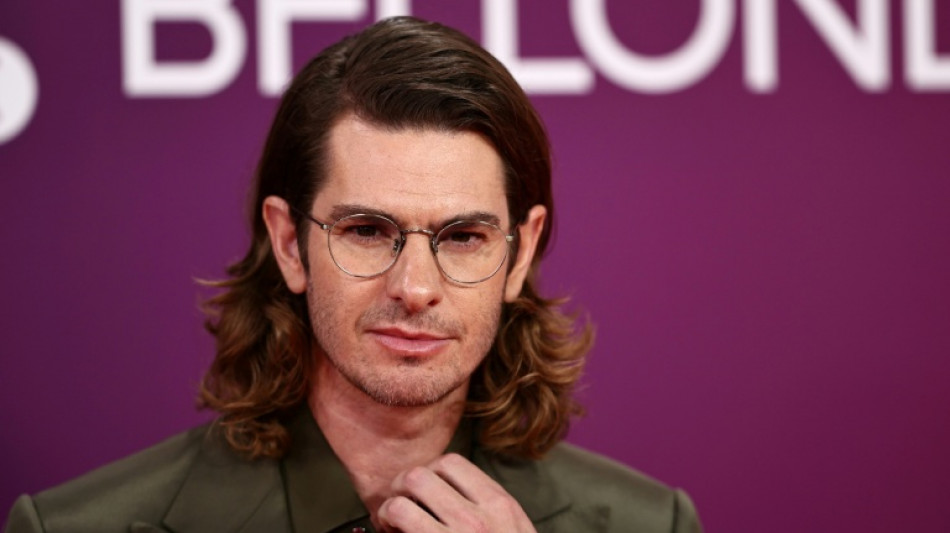
Back on the fiction side, Italian director Luca Guadagnino's "Artificial" stars Andrew Garfield as OpenAI chief Altman, who changed the world with his generative artificial intelligence tool ChatGPT.
Matt Neglia, the editor in chief of the weekly audio and video show Next Best Picture, called the film "as entertaining as it is terrifying."
"It's a brilliantly written human story about power, control, ambition and greed that might be the most urgently relevant film of our time," Neglia said.
- 'Social anxieties' -
For J.M. Tyree, a professor of cinema at Virginia Commonwealth University and the editor in chief of Film Quarterly, "popular movies always are reflecting these social anxieties of the day."
"Right now, people are really worried about power being concentrated into the hands of just a few individuals at the expense of most of the rest of the citizens," Tyree told AFP.
People have lost faith in "zillionaire tech moguls," and are starting to see their flaws, he added.
"That's maybe a common thread of these films, is that they're not just holding wealth for themselves, but also their products don't seem to be very good for society," Tyree said.
This group of films attempts to showcase the tech titan, not their products.
In the process, Tyree notes, the filmmakers reveal that unlike in the past, when captains of industry launched art museums and libraries, this generation isn't as interested in philanthropy.
Castillo says the directors appear to be seeking "some sort of accountability for all the damage" that these tech titans have wrought on society.
"The only way that they can punch back is through their movies," she said.
I.Frank--MP