Resource rich PNG leaving its Pacific people behind: World Bank / Photo: Jeremiah Williams - WORLD BANK/AFP
 27°C
27°C

Gold and gas-driven economic growth in Papua New Guinea, the South Pacific's largest nation, is leaving its people behind, the World Bank said on Thursday.
Papua New Guinea (PNG) saw strong economic growth of 5.6 percent last year, up from 3.4 percent in 2024, as world prices for its gold, copper and liquefied natural gas exports soared.
But these industries contribute only 6 percent of formal jobs, and foreign-invested gas projects largely kept earnings offshore, said a World Bank report.
When rapid population growth was taken into account, employment fell by 0.3 percent last year, the World Bank found.
It painted a dire picture of a nation where one-in-two children under five years has stunted growth, and nearly three-quarters of 10 year-olds leave school illiterate. Eighty percent of those with jobs are employed informally.
The report described "a growing economy that is leaving most of its people behind".
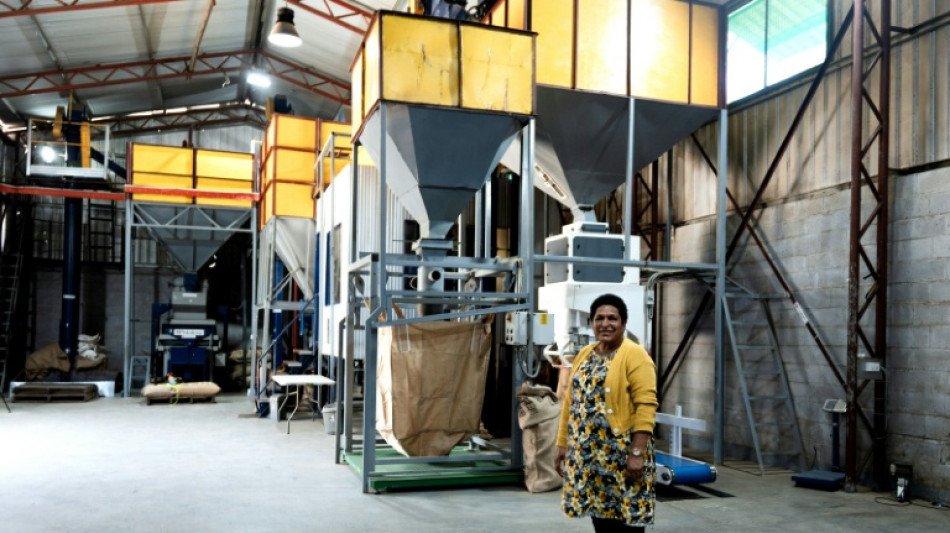
In the highlands of Goroka in central PNG, Maureen Ken says she is "struggling", out of sight and mind of government officials, as she provides jobs for 80 villagers at a coffee processing factory she built six years ago in her home town.
Women dry coffee in the sun and hand pick beans. Men move hundreds of sacks of beans that arrive from growers, preparing for export to Australia.
"The kids are going to school because they can pay for the school fees. They can pay for medical bills in the hospital and buy medicine," she told AFP in a telephone interview.
"They are working and supporting their families. They really appreciate that."
Her coffee company, Lass Malo, is also transforming life for growers.
"We drive into the remote areas with rugged roads and mountains with our own vehicles, we pay for our own fuel. Then we bring in the coffee to the factory, and they get a good door price at the factory," she said.
But she adds, "All my vehicles now have wear and tear. I am still struggling here."
Reshika Singh, the World Bank's senior economist for PNG, said the government needs to find ways to support private businesses, if it wants to create enough jobs.
"Agriculture is the key driver for job creation in Papua New Guinea, as the country moves up the value chain and commercialisation. But to reach there, several constraints need to be addressed and one of them is access to roads, access to transport," she said.
A third of PNG's population live more than 2 kilometres from all-season roads, cutting them off from markets, services and formal employment.
P.Mueller--MP