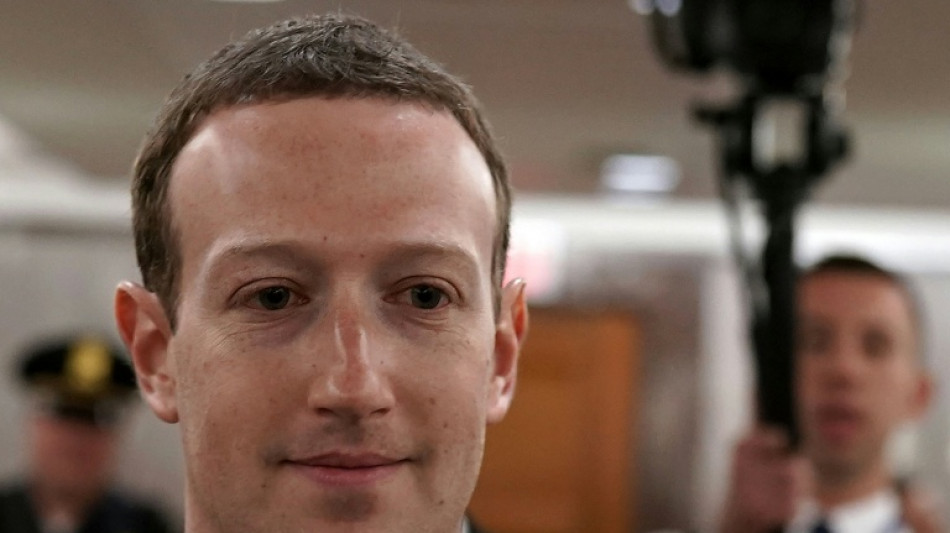
Meta in court over child social media addiction / Photo: ALEX WONG - GETTY IMAGES NORTH AMERICA/AFP/File
 18°C
18°C

Opening arguments begin Tuesday in the federal trial of Meta, the social media titan accused of deliberately making Instagram and Facebook platforms addictive to children, with a coalition of states seeking $200 billion dollars in penalties.
In what many experts have called social media's "big tobacco moment," Meta stands charged with harming children by using technology specifically designed to foster addiction among young users in a similar fashion to cigarettes.
The case could be "the beginning of a broader reckoning" for Meta, Stanford law professor Nora Freeman Engstrom told AFP via email, with the company facing the prospect of having to entirely overhaul its two enormously popular global platforms if it loses.
The company has denied all the allegations, insisting it had worked with parents, experts and law enforcement to incorporate protective safeguards for children.
Meta founder and chief Mark Zuckerberg is among the star witnesses expected to testify, along with Instagram head Adam Mosseri.
This is the first federal trial in what is expected to be a tidal wave of lawsuits also targeting Tiktok, Snapchat and YouTube as families, educators and state governments charge them with harming the mental health of young people.
Meta, which has more than three billion users around the world, is on trial by itself in this case, already stung by two convictions this year in state courts in California and New Mexico. It is appealing both.
Meta "strongly disagrees" with the allegations in the trial, a spokesperson told AFP.
During a hearing last week, a lawyer for the states said they are seeking around $200 billion -- not penalties exceeding $1 trillion, as Meta had claimed in a court filing.
The lawyer said they believe Meta calculated that figure "for shock value."
In addition to financial penalties, the states are demanding changes to Meta's apps to protect young users including limits to screen time.
Four states -- California, Colorado, Kentucky et New Jersey -- are representing a coalition of 29 states that first sued Meta in 2023.
The charges are three-fold: that Meta lied to the public about how dangerous its apps are for minors; designed some features specifically to get them hooked and stay on line, including screen time-limiting ones that are easy to get around; and gathered data on children under age 13 without parental consent, in violation of federal law.
Eight people were selected last week to serve on an advisory jury, but the judge will make the final decision in the case. The trial is expected to last six weeks, with a verdict expected by October.
Zuckerberg is the star witness, appearing six months after a jury in Los Angeles found Meta guilty of harming minors in a landmark case.
The trial will also hear from Arturo Bejar, a former Meta engineer who has emerged as a key figure in the fight against social media giants.
Federal Judge Yvonne Gonzalez Rogers rejected Meta's attempt to block Bejar from testifying, handing the states an early victory.
She described it as a "Hail Mary" effort to "eliminate a strong witness" for the plaintiffs.
Although it is not the first lawsuit that seeks to hold a social media company accountable for mental health and safety issues, it could become one of the most consequential.
- 'Broader reckoning' -
"The huge issue here is reputational harm" and being forced to make major changes, Vincent Joralemon, a director at Berkeley's Life Sciences Law and Policy Center, told AFP.
Experts see parallels with a three-decade-old settlement between dozens of US states and tobacco companies.
"It really feels like tobacco in the 1990s," Joralemon said.
While cases about social media harms revolve around the intersection of technology and addiction, the case against Meta focuses on its business practices, similar to when US regulators sued tobacco companies, Joralemon said.
Dozens of US states sued four major tobacco companies for downplaying the harmful health impacts of their products, and won a 1998 landmark settlement that included financial penalties and changes to product marketing.
Those tobacco companies have paid over $176 billion since, according to data from the National Association of Attorneys General.
They will continue to pay $9 billion annually, according to the settlement.
F.Hartmann--MP