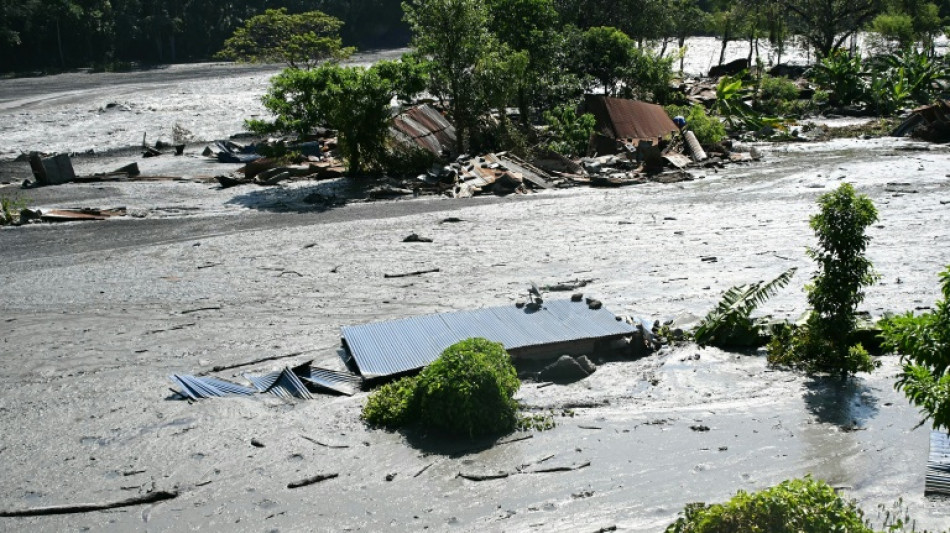
Nepal flood triggered by rock and ice avalanche: report / Photo: Prakash MATHEMA - AFP
 17°C
17°C
Nepal's disaster authority said Wednesday that an avalanche of rock and ice triggered a recent flash flood, echoing the mountain collapse that unleashed a tsunami-like wall of water in August.
The flood on Sunday came less than two months after an ice and rock collapse on August 26 sparked a catastrophic flood in Rasuwa district, killing more than 1,400 people and leaving over 5,000 missing, raising fresh concerns about the risks posed by Nepal's unstable mountain terrain.
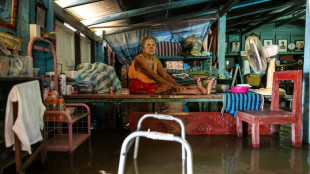
The latest flood left five people missing and swept away 200 houses and five bridges in central Gorkha district.
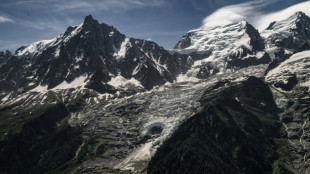
It was initially blamed on a landslide, but the National Disaster Risk Reduction and Management Authority said its analysis showed the torrent was triggered by an avalanche in an area with weak rock and at an altitude of about 6,000 metres (19,685 feet).
The findings underscore the need for better monitoring and early-warning systems in Nepal's mountainous regions, where sudden collapses can unleash devastating torrents as mountain permafrost thaws.
"The nature of this disaster is similar to what we saw in Rasuwa," disaster authority head Dharam Raj Uprety told AFP.
"The frequency shows that it has become critical that we monitor our mountains and make our early warning systems more effective."
Uprety said authorities had received some warning of the flood, allowing them to alert communities and help minimise casualties.
The report said several smaller landslides also occurred, blocking the river before the debris gave way and the Budhi Gandaki surged downstream.
"The largest flood surge, reaching an estimated height of 20–25 metres (65-82 feet), subsequently struck and swept away the hydropower camp in Salleri," the report said.
Scientists say climate change played a key role in the August 26 floods.
Prime Minister Balendra Shah told the United Nations last month that the flooding "was a warning to the world" about the rising dangers of climate change.
P.Mueller--MP